
In the world of User Experience (UX) design, the emphasis on accessibility, empathy, and user-centered design is more critical than ever. But how can working with organizations that support individuals with Intellectual and Developmental Disabilities (IDDs) truly transform your approach to UX? Having contributed to the development of specialized software used by caregivers and professionals in the IDDs sector, including tools for monitoring, scheduling, and managing medical records, I’ve experienced firsthand how this field can deepen your expertise and broaden your impact.
Understanding Intellectual and Developmental Disabilities (IDDs)
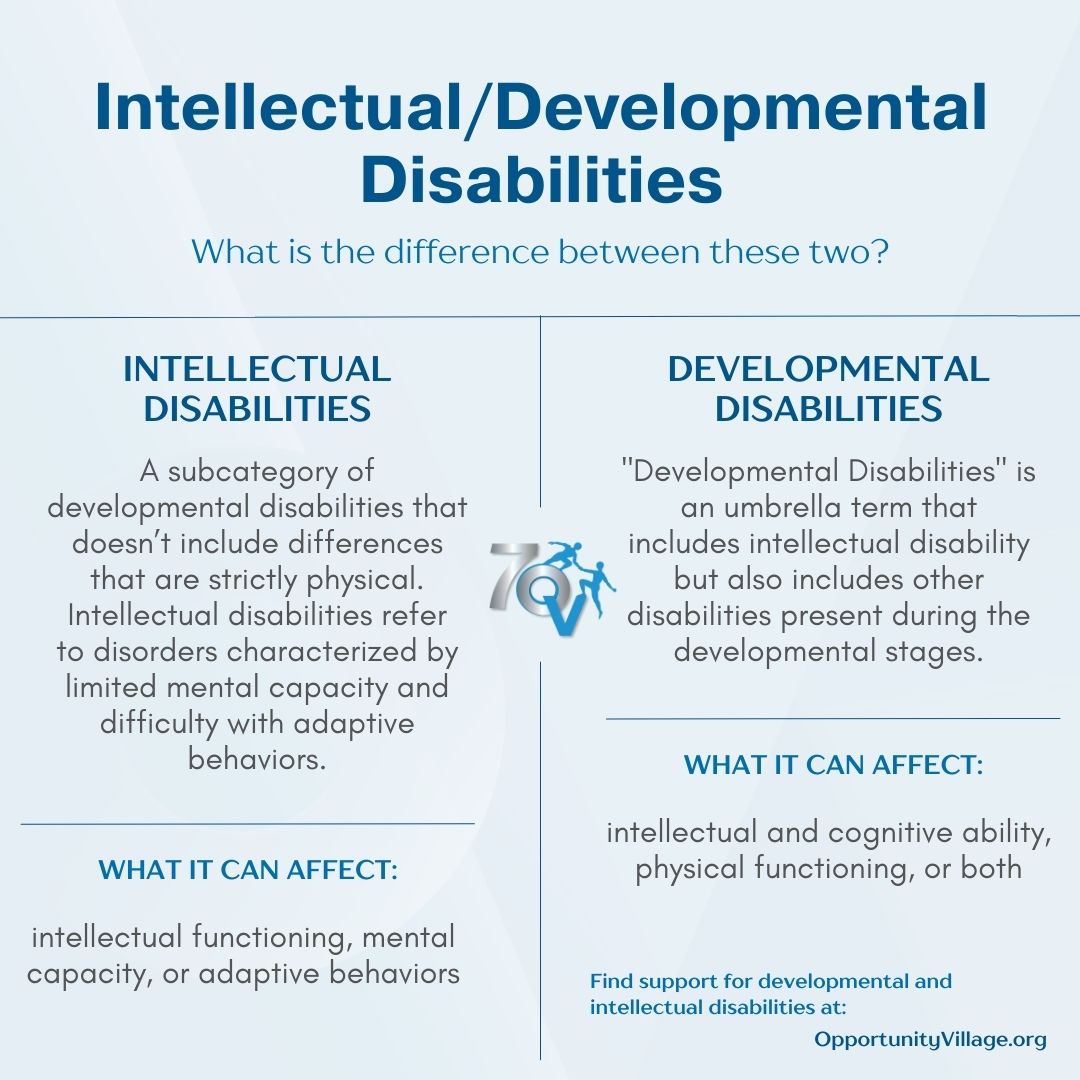
Intellectual and Developmental Disabilities (IDDs) refer to a variety of disorders characterized by significant limitations in intellectual functioning and adaptive behavior. These conditions, such as autism spectrum disorders, Down syndrome, and cerebral palsy, require tailored support systems that cater to the unique needs of individuals. The software I’ve helped develop is specifically designed for the professionals and caregivers who support these individuals, allowing them to efficiently manage care plans, monitor progress, and ensure that all necessary medical records and schedules are up to date.

The Role of Accessibility in UX Design
Enhanced User-Centered Design: By focusing on the needs of the caregivers and professionals using the software, I’ve sharpened my focus on user-centered design. Prioritizing their workflows and challenges has allowed me to craft solutions that are not only functional but also empathetic, ensuring that the software supports them in providing the best care possible. This approach has reinforced the importance of designing with empathy and understanding for all users involved in the process.
Enhanced User-Centered Design: By focusing on the needs of the caregivers and professionals using the software, I’ve sharpened my focus on user-centered design. Prioritizing their workflows and challenges has allowed me to craft solutions that are not only functional but also empathetic, ensuring that the software supports them in providing the best care possible. This approach has reinforced the importance of designing with empathy and understanding for all users involved in the process.
Developing Empathy Through Direct Engagement
User-Centered Problem Solving: My experience in the IDDs sector has deepened my understanding of the importance of empathy in UX design. By working closely with the organizations and professionals who use the software to assist individuals with IDDs, I’ve developed a problem-solving approach that is both user-centered and emotionally resonant. This has resulted in designs that are not only technically sound but also meaningful to the users, enhancing their ability to deliver effective care.
Building Emotional Connections: The work I’ve done in this sector has fostered a deep emotional connection with the users—caregivers and professionals—who rely on the software to manage their daily tasks. This connection is crucial for designing products that are not only functional but also compassionate. The result is a user experience that is more personal and impactful, leading to higher user satisfaction and engagement.
Broadening Technical and Creative Skills
Exploring Assistive Technologies: The challenges of designing for professionals in the IDDs sector have pushed me to explore and integrate assistive technologies into the software. Whether it’s incorporating features that enhance the usability of medical records systems, scheduling tools, or monitoring interfaces, this work has broadened my technical expertise and encouraged innovation in design.
Innovative Design Solutions: Working in this sector has required me to adapt and modify traditional design practices to meet the specific needs of caregivers and professionals. This has fostered a creative problem-solving approach that can be applied across various design projects, enhancing my overall skill set and making me a more versatile designer.
Embracing a Multidisciplinary Approach
Collaborative Learning: The multidisciplinary nature of the IDDs sector has provided me with valuable collaborative learning experiences. Working alongside healthcare professionals, educators, and technologists has enriched my understanding of the challenges faced by caregivers and professionals in the field. This collaboration has enhanced my ability to communicate and work effectively across different fields, ultimately leading to more holistic and impactful design solutions.
Holistic Design Perspective: The insights gained from this multidisciplinary approach have allowed me to develop a more comprehensive perspective on UX design. By considering the full spectrum of user needs—from the caregivers to the individuals they support—I’ve been able to create products that are not only functional but also deeply empathetic and inclusive.
Looking Ahead: The Future of UX in the IDDs Sector
As the demand for accessible and user-friendly technology continues to grow, the role of UX in the IDDs sector will become increasingly important. The knowledge and experience gained from working in this field will be invaluable as the industry continues to evolve. UX professionals who embrace the principles of accessibility, empathy, and user-centered design will be well-positioned to make a significant impact, not only in the IDDs sector but in the broader field of UX design.
Conclusion
Working in the IDDs sector, particularly with organizations that support individuals with disabilities, offers a transformative experience for any UX professional. The challenges and opportunities presented by designing for the caregivers and professionals in this field can deepen your knowledge and broaden your skill set in ways that are both profound and practical. By embracing accessibility, empathy, and user-centered design, you can create products that are not only innovative but also inclusive and impactful, making a meaningful difference in the lives of both the professionals who use the software and the individuals they support.
References
Web Content Accessibility Guidelines (WCAG) National Institutes of Health (NIH) on Intellectual and Developmental Disabilities